SEO
In today’s digital world, having a website is not enough. Millions of websites compete for attention on search engines every day. If your website does not appear on the first page of search results, most people will never find it. This is where Search Engine Optimization (SEO) becomes important. SEO helps websites rank higher on search engines like Google, increasing visibility, traffic, leads, and sales. Businesses, bloggers, freelancers, and agencies use SEO to attract targeted visitors organically without paying for advertisements continuously.
SEO is one of the most valuable digital marketing skills because it provides long-term results. A well-optimized website can generate traffic for months or even years. Whether you run an online store, a local business, or a service-based website, understanding SEO and its different types is essential for success.
What is SEO?
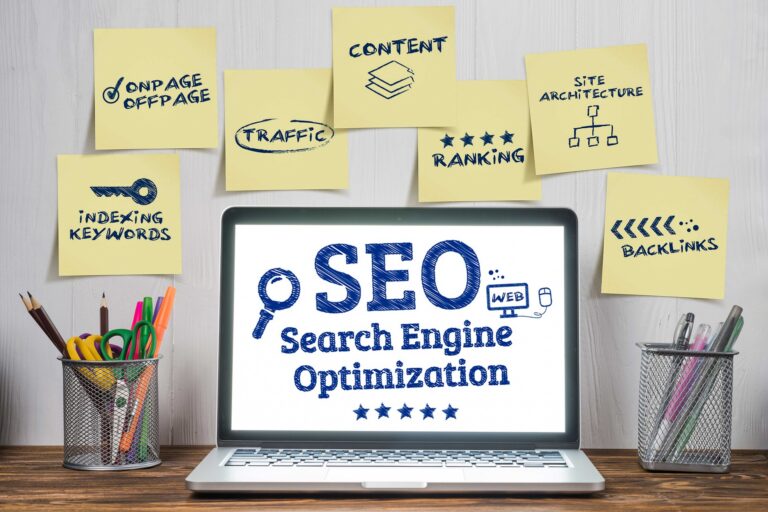
Search Engine Optimization (SEO) is the process of improving a website so that it ranks higher in search engine results pages (SERPs). The goal of SEO is to increase organic traffic by making the website more useful, relevant, and trustworthy for users and search engines.
When users search for something online, search engines analyze thousands of websites to decide which pages should appear first. SEO helps search engines understand your website better so they can show it to the right audience.
For example, if someone searches “best digital marketing agency,” websites optimized for that keyword have a higher chance of appearing on the first page. Higher rankings usually lead to more clicks, visitors, and conversions.
SEO involves many techniques such as keyword research, content optimization, improving website speed, building backlinks, and enhancing user experience.
Importance of SEO
SEO is important because most users click on websites that appear at the top of search results. Very few people visit the second or third page of search engines. Good SEO helps businesses grow by increasing visibility and credibility.
Benefits of SEO
- Increases Organic Traffic
SEO helps bring visitors naturally from search engines without paying for ads. - Builds Trust and Authority
Websites ranking on top are often considered more trustworthy by users. - Improves User Experience
SEO focuses on better website structure, faster speed, and quality content. - Generates Leads and Sales
Targeted traffic from SEO can convert into customers. - Provides Long-Term Results
Unlike paid ads, SEO can continue bringing traffic even after optimization work is completed. - Cost-Effective Marketing
SEO is more affordable in the long run compared to continuous advertising campaigns. - Helps Businesses Compete
Small businesses can compete with large brands through smart SEO strategies.
How Search Engines Work
Search engines mainly work in three steps:
1. Crawling
Search engines use bots called crawlers or spiders to discover web pages across the internet.
2. Indexing
After crawling, search engines store and organize information from web pages in their database.
3. Ranking
When users search for something, search engines rank pages based on relevance, quality, authority, and user experience.
SEO helps improve these ranking factors so search engines consider your website valuable.
Types of SEO
SEO is divided into different categories. Each type focuses on specific aspects of website optimization.
1. On-Page SEO
On-Page SEO refers to optimizing elements directly on a website to improve rankings and user experience.
It includes content optimization, keyword usage, headings, images, and internal linking.
Important Elements of On-Page SEO
Keyword Research
Keywords are words or phrases users type into search engines. Finding the right keywords helps target the correct audience.
Example:
- “Digital marketing services”
- “SEO expert”
- “WordPress web development”
Using relevant keywords naturally in content improves rankings.
Title Tags
The title tag appears in search results and browser tabs. It should include the main keyword and attract users to click.
Example:
“Best SEO Services for Small Businesses”
Meta Descriptions
Meta descriptions summarize webpage content. A good meta description improves click-through rates.
Header Tags
Using headings like H1, H2, and H3 organizes content and improves readability.
Quality Content
Content is one of the most important ranking factors. Search engines prefer informative, useful, and original content.
Good content should:
- Solve user problems
- Be easy to read
- Include keywords naturally
- Provide value
Internal Linking
Internal links connect one page of a website to another. They help users navigate and improve website structure.
Image Optimization
Images should be compressed and include alt text to improve speed and accessibility.
URL Structure
URLs should be short, clean, and keyword-rich.
Example:yourwebsite.com/seo-services
2. Off-Page SEO
Off-Page SEO involves activities outside the website that improve authority and trustworthiness.
The most important factor in off-page SEO is backlinks.
Backlinks
Backlinks are links from other websites pointing to your website. Search engines treat backlinks as votes of confidence.
High-quality backlinks from trusted websites improve rankings significantly.
Methods of Off-Page SEO
Guest Posting
Writing articles for other websites and linking back to your site.
Social Media Marketing
Sharing content on social media platforms increases visibility and traffic.
Influencer Outreach
Collaborating with influencers can generate traffic and backlinks.
Directory Submission
Submitting websites to online directories.
Forum Participation
Answering questions and participating in discussions related to your niche.
Brand Mentions
Mentions of your brand online can improve authority.
Importance of Off-Page SEO
- Builds website authority
- Increases trust
- Improves rankings
- Drives referral traffic
3. Technical SEO
Technical SEO focuses on improving the technical aspects of a website to help search engines crawl and index pages efficiently.
Even great content may not rank if technical SEO is poor.
Important Technical SEO Factors
Website Speed
Fast websites provide better user experience and rank higher.
Mobile Friendliness
Most users browse on mobile devices, so websites must work properly on smartphones and tablets.
SSL Certificate
Secure websites using HTTPS are preferred by search engines.
XML Sitemap
A sitemap helps search engines understand website structure.
Robots.txt
This file tells search engines which pages should or should not be crawled.
Fixing Broken Links
Broken links negatively affect user experience and SEO.
Canonical Tags
Canonical tags prevent duplicate content issues.
Structured Data
Structured data helps search engines understand content better and may improve rich search results.
Benefits of Technical SEO
- Better crawling and indexing
- Improved website performance
- Better user experience
- Higher rankings
4. Local SEO
Local SEO helps businesses appear in local search results.
It is especially important for local businesses such as restaurants, salons, agencies, clinics, and stores.
Example searches:
- “SEO agency near me”
- “Best cafe in Ahmedabad”
Important Local SEO Factors
Google Business Profile
Creating and optimizing a business profile helps businesses appear on maps and local searches.
Local Keywords
Using location-based keywords improves local visibility.
Example:
“Digital marketing agency in Ahmedabad”
Customer Reviews
Positive reviews improve trust and rankings.
NAP Consistency
Name, Address, and Phone Number should be consistent across all platforms.
Local Citations
Listing businesses on directories improves local SEO.
Benefits of Local SEO
- Attracts nearby customers
- Increases foot traffic
- Improves visibility in maps
- Generates local leads
5. E-Commerce SEO
E-Commerce SEO focuses on optimizing online stores for better visibility and sales.
Online stores need SEO for product pages, category pages, and shopping experiences.
Key Elements
- Product keyword optimization
- Product descriptions
- Image optimization
- User reviews
- Fast loading speed
- Secure payment pages
Good e-commerce SEO increases product visibility and conversions.
6. Content SEO
Content SEO focuses on creating valuable content optimized for search engines.
Content can include:
- Blog posts
- Guides
- Tutorials
- Videos
- Infographics
Important Content SEO Strategies
Search Intent
Understanding what users actually want when searching.
Content Freshness
Updating old content regularly improves rankings.
Readability
Content should be simple and easy to understand.
Long-Form Content
Detailed articles often rank better because they provide more value.
Keyword Optimization
Using primary and related keywords naturally.
7. White Hat SEO
White Hat SEO uses ethical techniques approved by search engines.
Examples:
- Quality content
- Natural backlinks
- Proper optimization
- Good user experience
White Hat SEO provides long-term, safe results.
8. Black Hat SEO
Black Hat SEO uses unethical methods to manipulate rankings.
Examples:
- Keyword stuffing
- Buying backlinks
- Cloaking
- Duplicate content
These methods may provide short-term results but can lead to penalties or website bans.
9. Gray Hat SEO
Gray Hat SEO falls between White Hat and Black Hat techniques. These methods are risky because they are not fully against guidelines but can still cause issues.
SEO Ranking Factors
Search engines use hundreds of ranking factors. Some important ones include:
- Quality content
- Backlinks
- Website speed
- Mobile optimization
- User experience
- Keyword relevance
- Secure website
- Domain authority
- Internal linking
- Fresh content
Common SEO Mistakes
Many websites fail to rank because of common mistakes such as:
- Using too many keywords
- Slow website speed
- Poor mobile design
- Duplicate content
- Low-quality backlinks
- Ignoring technical SEO
- Poor user experience
- Not updating content
Avoiding these mistakes improves SEO performance.
Future of SEO
SEO constantly changes because search engines update their algorithms regularly. Modern SEO focuses more on user experience and helpful content rather than tricks.
Important Future Trends
- AI-powered search
- Voice search optimization
- Mobile-first indexing
- Video SEO
- User intent optimization
- Core Web Vitals
- High-quality content
Businesses must adapt to these trends to stay competitive.
Conclusion
Search Engine Optimization (SEO) is one of the most powerful digital marketing strategies for increasing website visibility, traffic, and business growth. SEO helps websites rank higher on search engines by improving content, authority, technical performance, and user experience.
Different types of SEO such as On-Page SEO, Off-Page SEO, Technical SEO, Local SEO, E-Commerce SEO, and Content SEO work together to improve overall website performance. Businesses that invest in proper SEO strategies gain long-term benefits, including organic traffic, better brand visibility, and increased revenue.
In today’s competitive online world, SEO is no longer optional. Whether you are a freelancer, agency owner, blogger, or business owner, learning and applying SEO can create massive opportunities for growth and success.